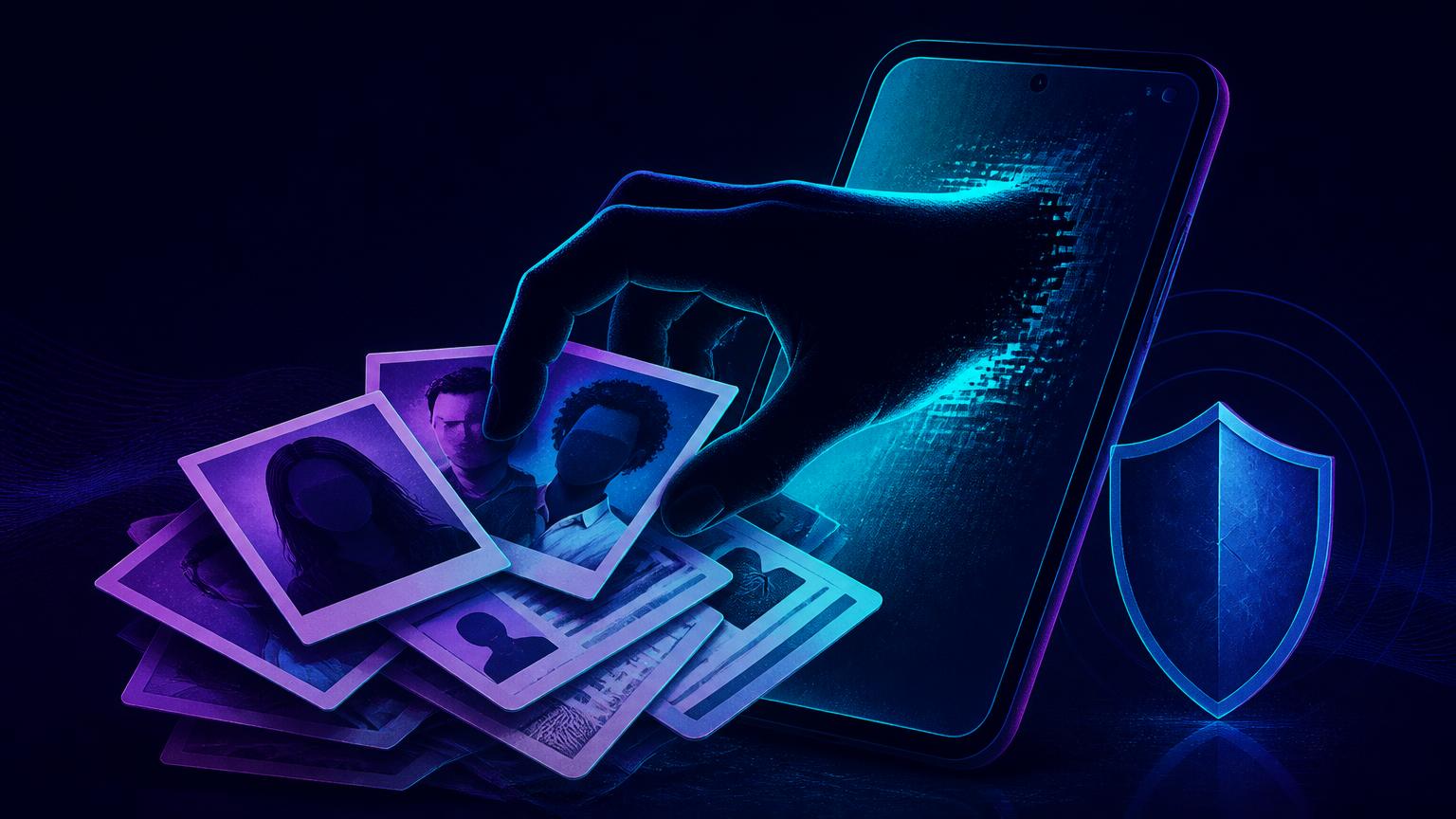
Stolen Faces: the people whose photos scammers use
Behind almost every fake romance profile is a real person who never agreed to any of it. This section documents 28 profiles of the groups whose photographs and ID documents are stolen most often — what the photos get turned into, the exact scripts attached to them, and how to verify whether the person messaging you is real.
Nobody in this section is accused of anything
These entries describe victims, not offenders. The people whose photographs are stolen are soldiers, doctors, engineers, creators and private families who have committed no offence. We deliberately do not republish stolen photo albums — spreading them further harms the very people this section exists to protect. Instead we document the patterns, the scripts and the verification steps.
Military & veterans
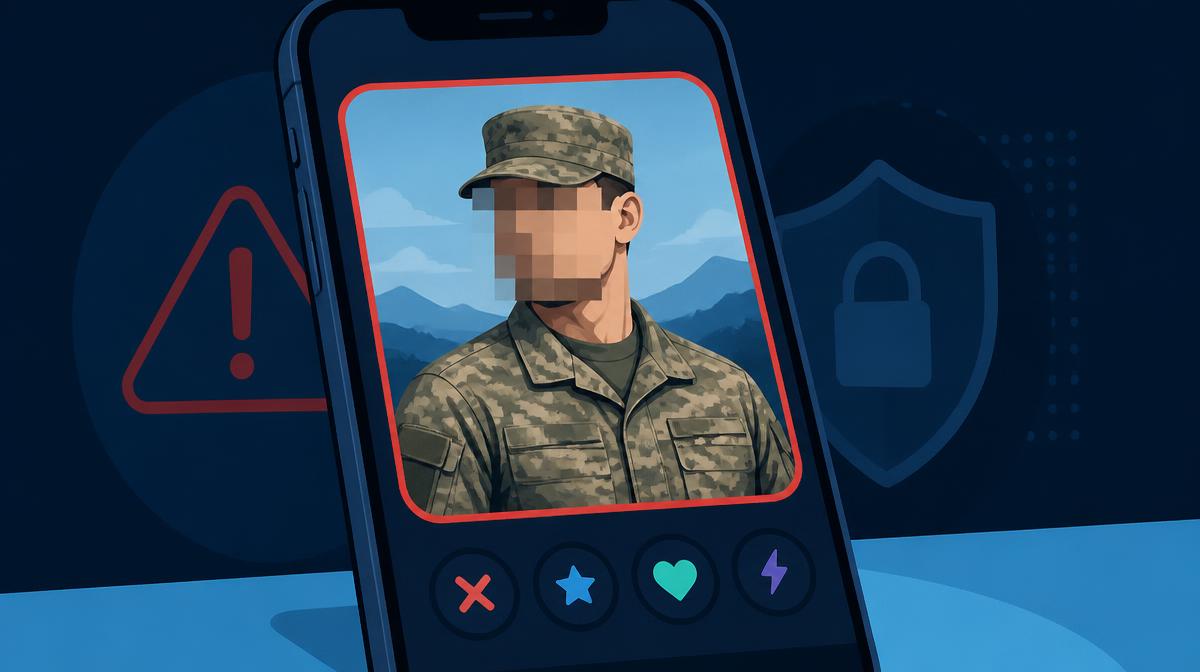
Deployed soldiers: the most stolen photos on the internet
Uniform photos turned into thousands of fake romance profiles
Photos of serving soldiers are the single most reused images in romance fraud. Here is where scammers take them from, the stories they attach, and how to tell a real servicemember from a stolen uniform photo.
Generals and senior officers impersonated in fraud
High-rank portraits used to sell fake 'confidential' deals
Official portraits of generals and senior officers are public domain, high resolution, and perfect for impersonation. Scammers use them for fake gold deals, trunk-box stories and 'private mission' investment pitches.
Wounded veterans and people with visible disabilities
Injury photos exploited for donations and sympathy
Photos of wounded veterans, amputees and people with visible disabilities are stolen for fake charity appeals, fake fundraisers and sympathy-driven romance fraud.
Medical & care
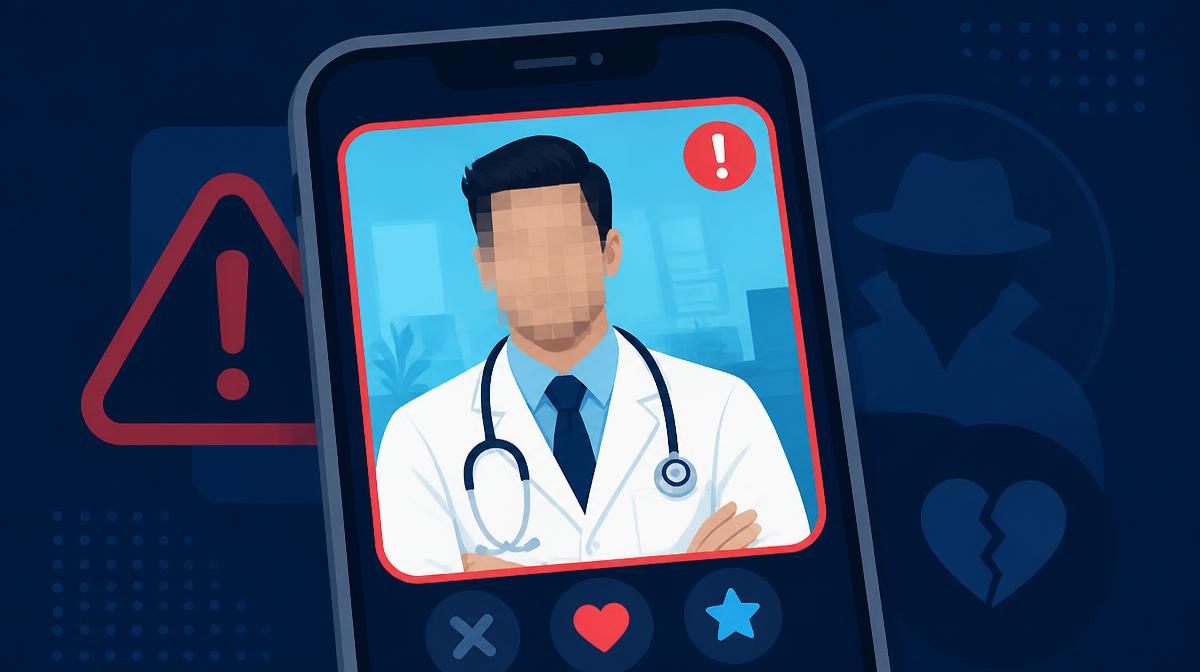
Doctors and surgeons working abroad
White coats borrowed to sell trust in minutes
Photos of doctors — especially those on humanitarian missions — are stolen to build romance personas and fake medical authority. Here is how the scripts run and how to verify a real physician.
Nurses and caregivers
Kind faces used to build fake emergencies
Nursing photos are stolen to create warm, trustworthy personas and to stage medical emergencies in other scams. They are also heavily used in fake overseas job and recruitment frauds.
Veterinarians and animal rescue workers
Puppy scams built on stolen clinic photos
Vet and rescue photos front fake breeders, fake adoption charities and fake pet shipping companies that charge crate, insurance and vaccination fees for animals that do not exist.
Aviation
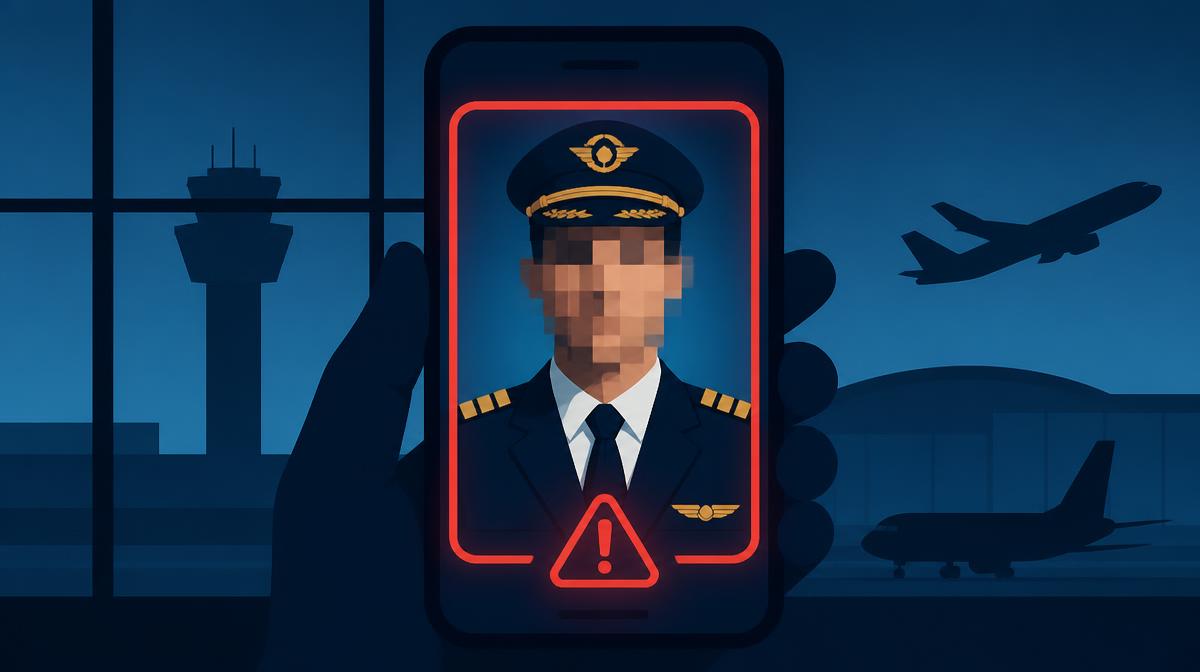
Airline pilots and cabin crew
Uniform, cockpit, constant travel — a con artist's dream
Pilot photos supply status, mobility and a permanent excuse for absence. Cabin crew photos are used for parcel scams and fake gift deliveries. Both circulate in enormous numbers.
Maritime
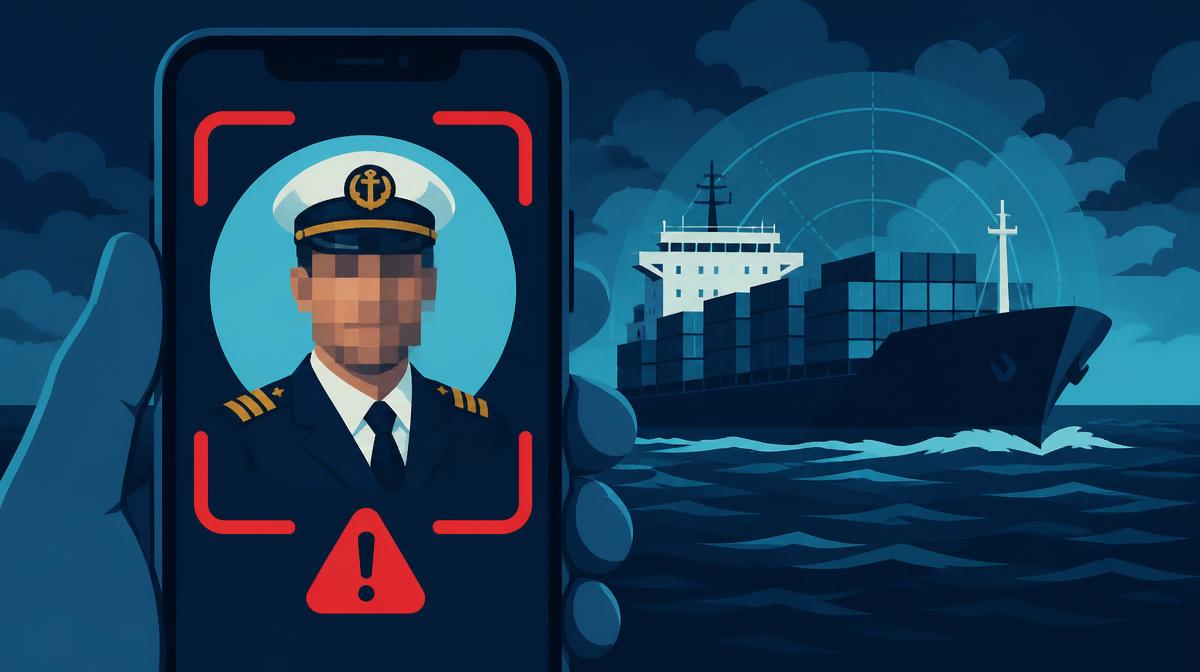
Ship captains and merchant mariners
Months at sea — the oldest unreachable alibi there is
Captains and seafarers spend genuine months out of contact, which is exactly why their photos are stolen. The persona can vanish for weeks without suspicion and reappear with a new emergency.
Engineering & field work
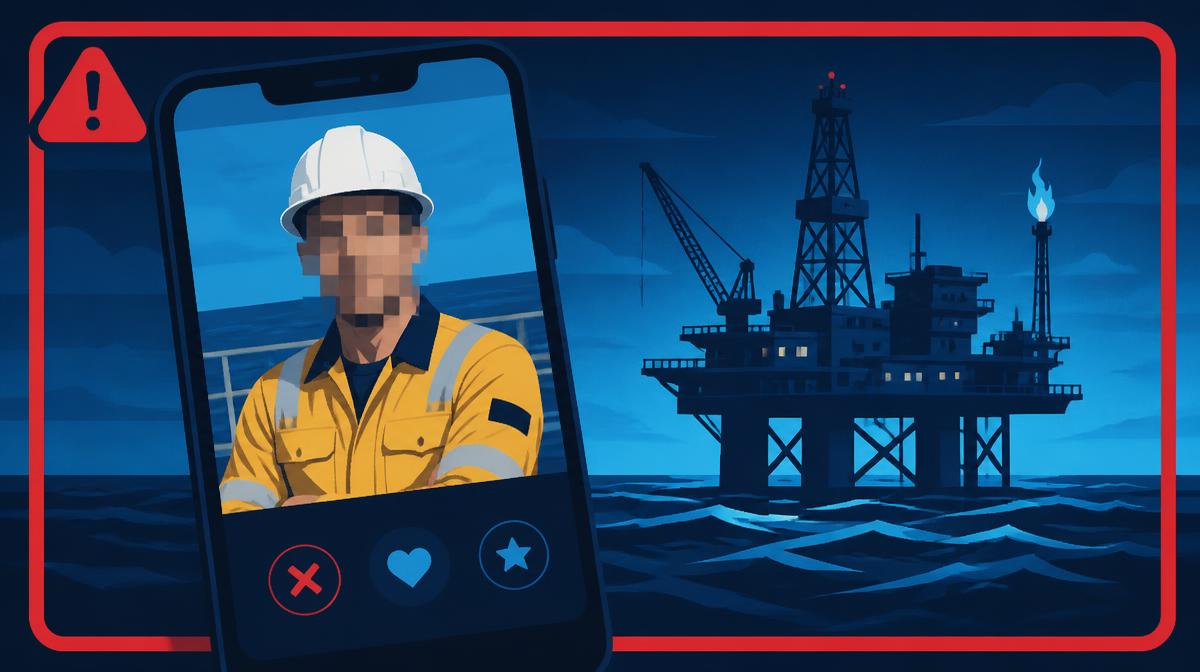
Offshore oil rig workers: the 'no signal' alibi
Hard-hat photos that explain away every missed video call
Oil rig and offshore engineering photos give scammers a built-in excuse for months of no contact, no video and no meeting. They are among the most reused stolen images in long-con romance fraud.
Construction and mining engineers
Remote sites, big contracts, easy excuses
Site photos of engineers on remote projects support long-running romance personas and fake contract-investment pitches involving equipment, gold or mineral consignments.
Archaeologists, geologists and field scientists
Expedition photos that explain months off-grid
Fieldwork photography supports personas who are unreachable for weeks at a time, often paired with stories about artefacts, samples or grant money held up in customs.
Finance & business
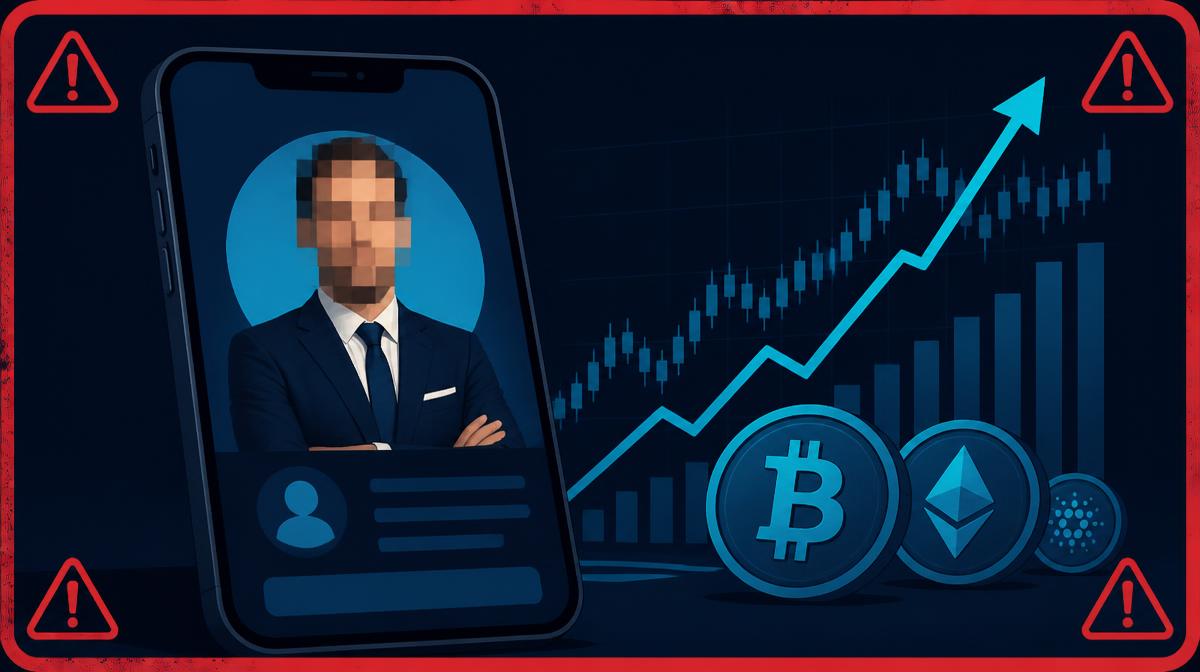
Crypto traders and market analysts
Stolen credibility for fake funds and signal groups
Photos of real traders, analysts and founders are used to front fake signal groups, cloned exchanges and 'managed' crypto funds that pay out only on paper.
Financial advisors and bank staff
Corporate headshots that authorise fake transfers
Advisor headshots and bank staff photos are used in investment fraud and in 'safe account' calls that convince victims to move their own money to a fraudster.
Tech founders and executives
Deepfaked into giveaways and fake job offers
Founder photos and conference video are now used to generate deepfaked endorsements, fake recruitment campaigns and crypto giveaways in their name.
Real estate agents and landlords
Agent headshots behind rental deposit theft
Agent photos and real property listings are combined into fake rentals that collect deposits for homes the scammer has never seen, often from people relocating from abroad.
Models & online creators
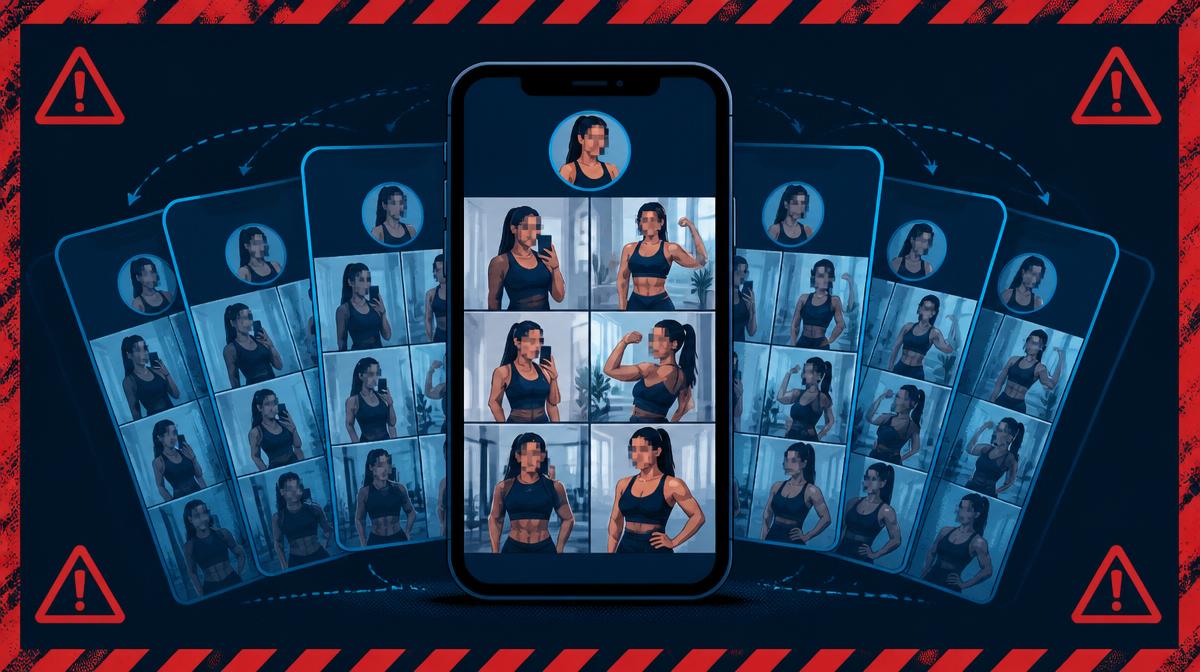
Fitness models and gym athletes
The most-copied faces in modern dating fraud
Gym and fitness accounts publish hundreds of high-quality photos a year. That volume is exactly what a fake profile needs to look real over months of conversation.
Female models and lifestyle creators
Stolen albums behind thousands of fake accounts
Lifestyle and modelling accounts are harvested wholesale, then split into personas used for romance fraud, sextortion bait and fake crypto mentors.
Streamers and online creators
Giveaway impersonation at industrial scale
Streamers' faces and channel branding are cloned to run fake giveaways, fake sponsorships and crypto doubling scams aimed directly at their own audiences.
Public service & authority
UN staff and NGO aid workers
Humanitarian credibility, stolen and monetised
Aid workers' photos give scammers a moral halo plus a remote, dangerous posting. The same images are reused in fake grant, compensation and relief-fund scams.
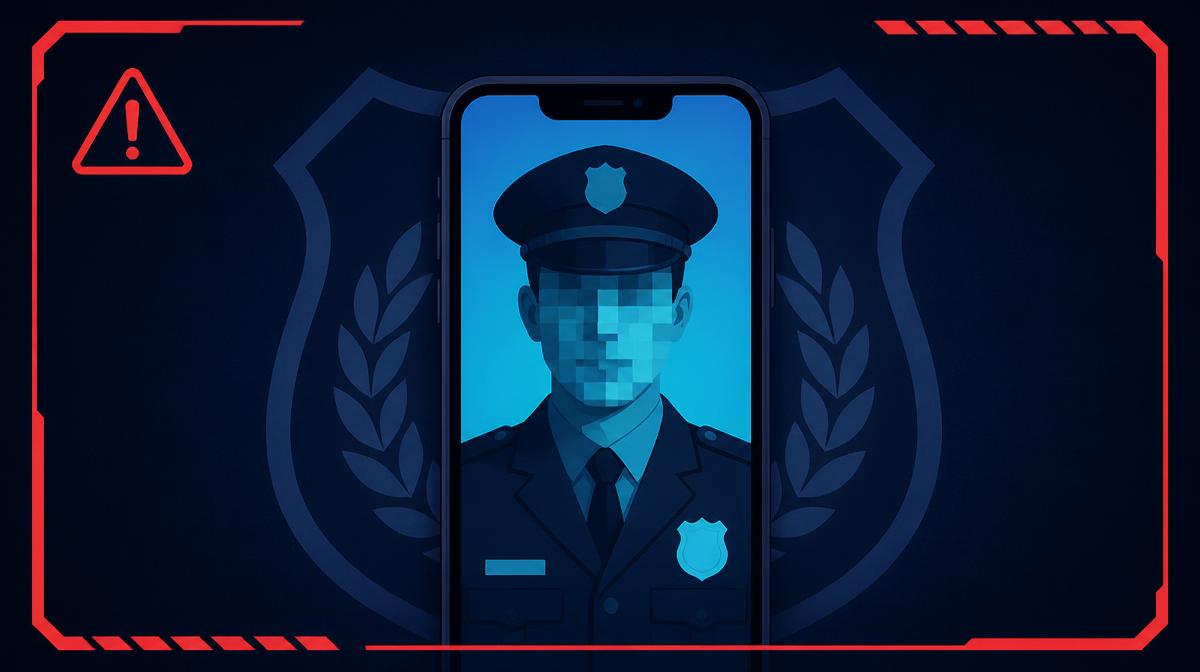
Police officers and federal agents
Badges and warrant cards cloned for extortion
Officer photos are stolen for two things: romance personas with built-in authority, and threat calls demanding immediate payment to avoid arrest. Both use real officers' faces and names.
Teachers and university professors
Faculty photos used for fake scholarships and tutoring
Faculty directory photos are stolen for fake scholarship offers, fake research grants, fake tutoring platforms and romance personas aimed at educated targets.
Lawyers, barristers and court officials
Legal letterheads and headshots used for fake settlements
Law firm photos front fake inheritance claims, fake class-action settlements and fake recovery services that charge victims a second time.
Government officials and tax agents
Official photos behind refund and penalty scams
Photos and names of tax officers, immigration officials and benefits staff are used in refund scams, deportation threats and fake application-fee demands.
Documents & accounts
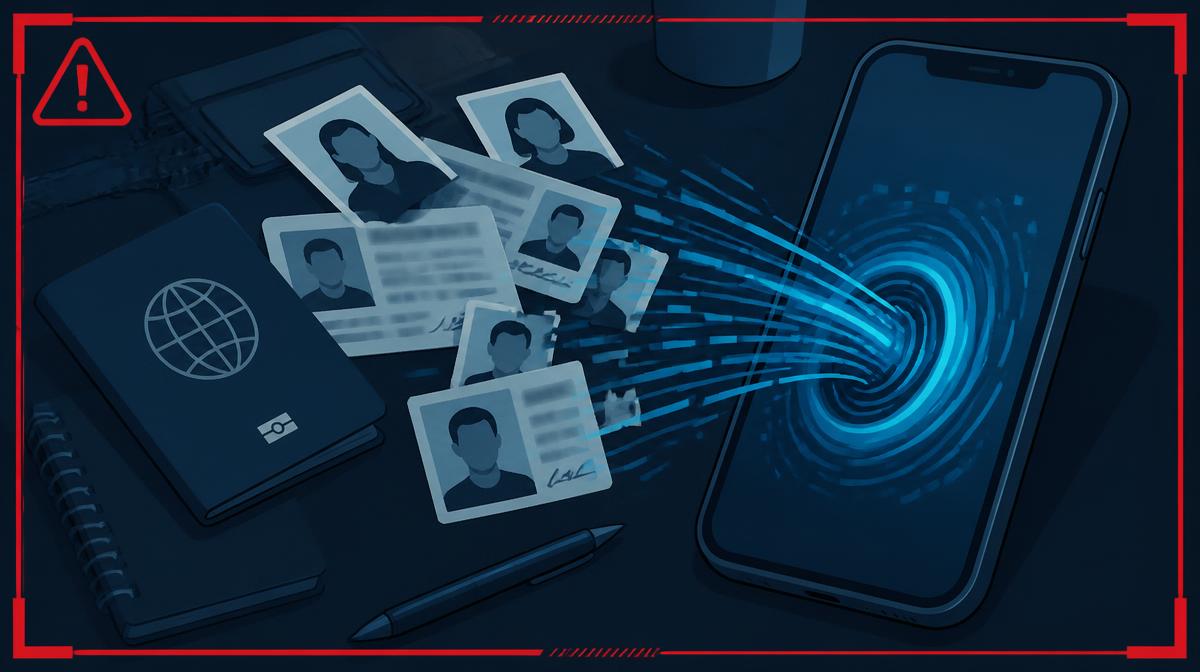
Stolen passports and ID documents
When the scammer has your document, not just your face
Photographed passports, driving licences and national ID cards are traded and reused to verify fake accounts, open bank and crypto accounts, and prove identity to victims.
Customer support and tech support staff
Support badges cloned for remote-access fraud
Support staff photos and company branding are used to run remote-access scams, fake refund flows and account-recovery fraud on people already looking for help.
Families & private people
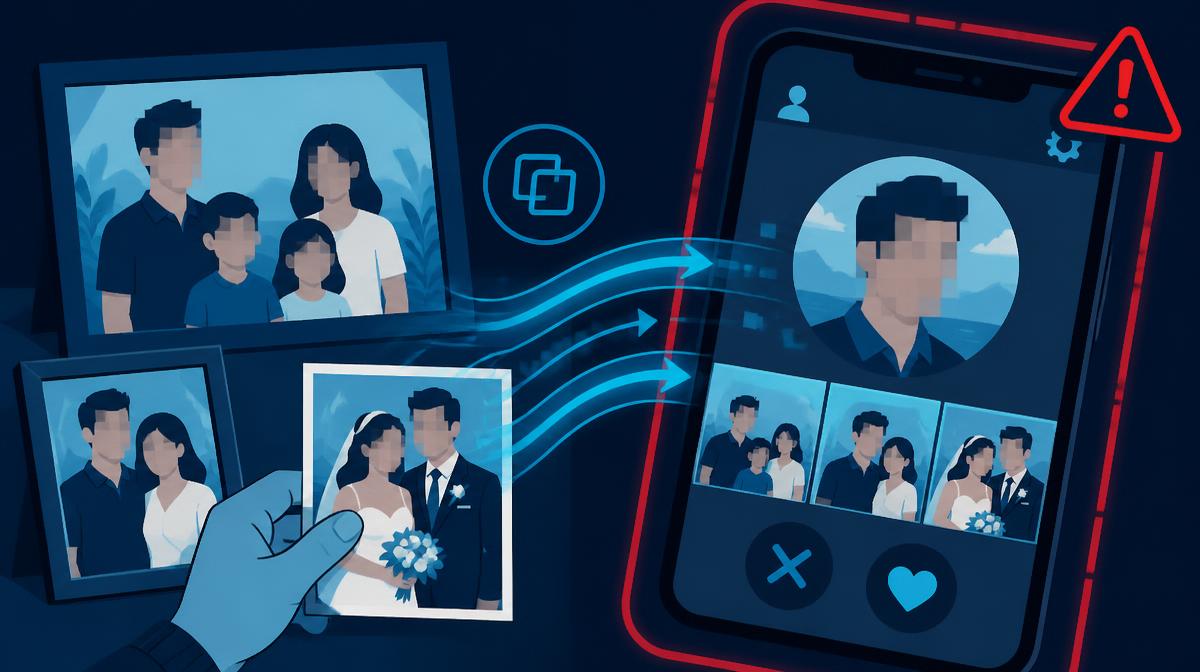
Widowed parents and stolen family photos
Children's faces used as emotional collateral
Some of the cruellest photo theft targets ordinary families: a parent with a child, used to build a widower persona whose child becomes the reason money is urgently needed.
Wedding and engagement photos
Happy couples split into two fake singles
Wedding galleries are public, high quality and emotionally powerful. Scammers crop out one partner and use the remaining photos to build a 'recently widowed' or 'recently divorced' persona.
Photos of people who have died
Obituary and memorial images reused by fraudsters
Memorial pages and obituaries are scraped for photographs and biographical detail, which are then used for romance personas, fake memorial funds and account takeovers.
Stolen photos and identity theft — questions people ask
What should I do if a scammer is using my photos?
Collect evidence first — profile URLs, screenshots showing usernames, and dates. Report the account to the platform under impersonation (not spam), file a report with your national fraud body, and submit the scammer's contact details to a public database so the next person who searches that identifier sees a warning.
How can I tell if someone is using stolen photos?
Ask for a spontaneous live video call and request a specific gesture or a handwritten note with today's date and a word you choose. Reverse-search several photos, not just the profile picture. Anyone who has excuses for all of these — bad signal, military rules, offshore rig, hospital shift — is almost certainly using someone else's face.
Whose photos do scammers steal most often?
Deployed soldiers, doctors, offshore engineers, pilots, ship captains, fitness models and lifestyle creators are the most reused. They combine credibility with a believable reason for being unreachable, and they publish large numbers of public photos.
Are the people in these photos scammers?
No. Everyone described in this section is a victim of photo or identity theft. They have done nothing wrong; their likeness was taken and reused without consent.
Can stolen photos be removed from the internet?
Individual fake profiles can be removed, but the underlying image sets circulate inside closed groups and reappear under new names. Practical protection comes from verification habits — live video, database checks, and never sending money to someone you have not met in person.
Someone is using your face? Put the scammer in the database.
Submit the fake profile's email, phone number, username or wallet address — never your own details. Every approved report makes that identifier searchable, so the next person who checks finds a warning before they send money.