
Construction and mining engineers
Remote sites, big contracts, easy excuses
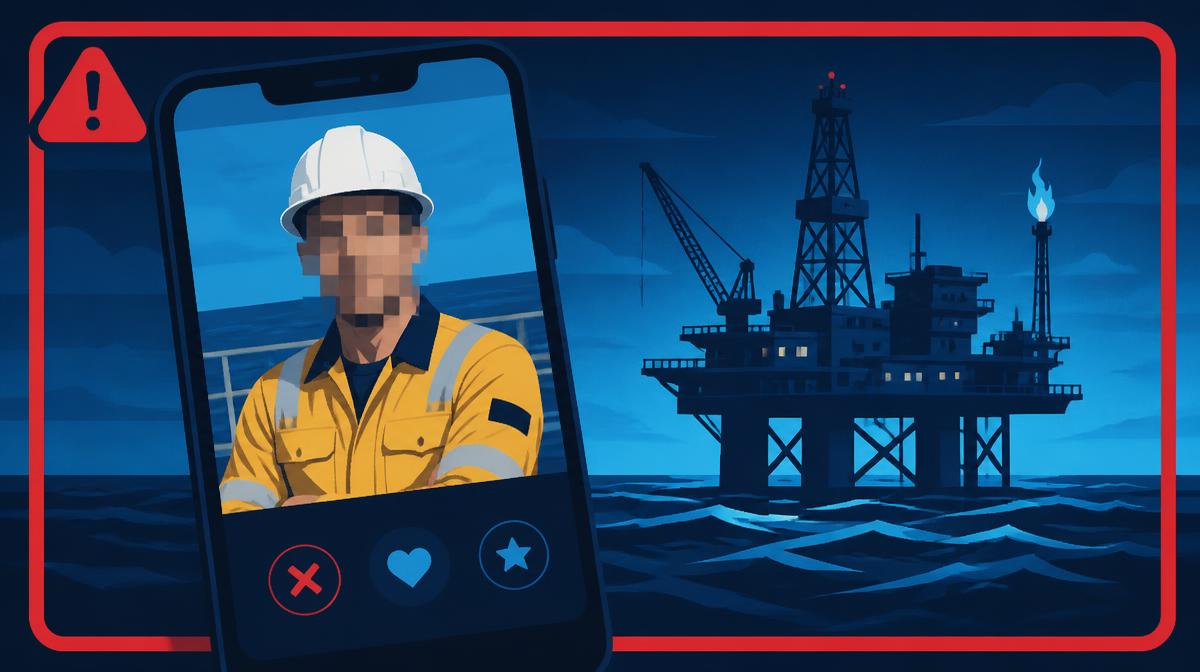
Site photos of engineers on remote projects support long-running romance personas and fake contract-investment pitches involving equipment, gold or mineral consignments.
Where the photos come from
Contractor project galleries, LinkedIn, mining company reports and recruitment pages.
Personas built from them
- An engineer on a remote contract with no reliable internet
- A project manager needing bridge financing for equipment
- A mining agent offering a share in a gold or mineral consignment
Where they show up
Red flags
- Investment in a consignment of gold, minerals or equipment you cannot inspect
- Certificates and assay reports as the only evidence
- A contract payment always days away, blocked by one fee
- Site photos from visibly different countries and decades
How to verify
- Never invest in goods you cannot independently verify exist
- Confirm employment by calling the company's published switchboard
- Ask for a scheduled live video call from the site
- Search the contact details in our database first
The remote-site persona
Construction and mining projects are genuinely isolated, well paid and long. That is the whole appeal for a fraudster: months of absence are normal, large sums are plausible, and site photographs with heavy machinery are readily available online.
From romance to commodities
These personas often graduate from romance into a business proposition — a consignment of gold that needs storage fees, equipment that needs a customs bond, a contract that needs bridging finance. The victim is invited to become a partner rather than a donor, which makes the payments feel like investment rather than loss.
The engineers
Site engineers find their photos and employers attached to investment pitches they have never heard of, and their companies receive due-diligence enquiries about contracts that do not exist.
If these photos are yours
You are the second victim of this scam. The money goes to strangers, but the face, the name and the reputation are yours — and the angry messages from defrauded people land in your inbox, not the scammer's.
- Save everything: profile URLs, screenshots with visible usernames, message threads, and the dates you found them.
- Report the fake profile on the platform itself under impersonation, not spam. Impersonation reports are actioned faster and you can usually attach a photo ID.
- File a report with your national fraud body (IC3 in the US, Action Fraud in the UK, the Canadian Anti-Fraud Centre, or your local police cyber unit).
- Submit the scammer's contact details — the email, phone, wallet or profile handle, never your own — to our database so the next person who searches that identifier finds a warning instead of a fake romance.
- If someone contacts you believing they were talking to you, be kind and clear: send them to a search page so they can verify the details for themselves.
If you were talking to one of these profiles
Slow down before you send anything. Ask for a live video call on a platform the other person did not choose. Ask for a photo holding a handwritten note with today's date and an unusual word you pick. Run the phone number, email, username or wallet address through our database. A genuine person will pass all three in minutes; a stolen-photo persona will produce excuses — bad signal, hospital shift, offshore rig, army firewall, "you don't trust me".
Never send money, gift cards, crypto or copies of your own ID to someone you have not met in person, no matter how complete the story sounds.
Important
This profile describes a pattern of photo and identity theft. It does not accuse any person pictured in such photographs of wrongdoing — they are victims. We do not republish stolen photo albums. If a report on scamers.org names you incorrectly, use our I'm Innocent review process and we will investigate.
Related profiles
Deployed soldiers: the most stolen photos on the internet
Uniform photos turned into thousands of fake romance profiles
Generals and senior officers impersonated in fraud
High-rank portraits used to sell fake 'confidential' deals
Offshore oil rig workers: the 'no signal' alibi
Hard-hat photos that explain away every missed video call