Streamers and online creators
Giveaway impersonation at industrial scale
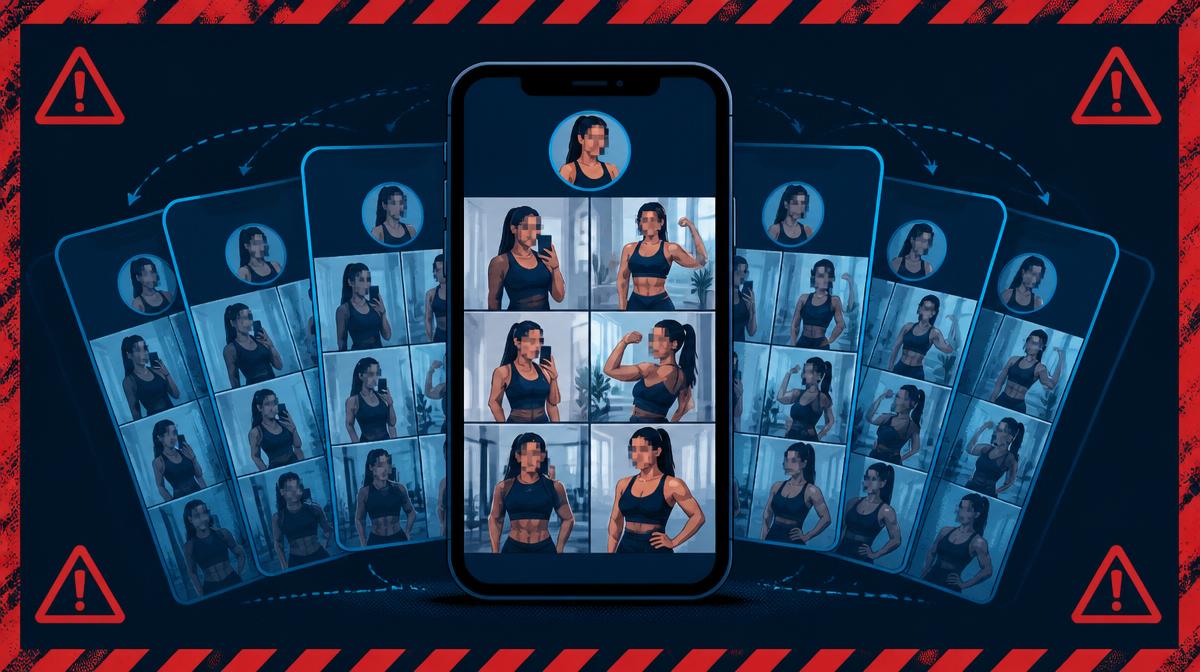
Streamers' faces and channel branding are cloned to run fake giveaways, fake sponsorships and crypto doubling scams aimed directly at their own audiences.
Where the photos come from
Stream VODs, channel art, profile photos and clip compilations — all public by design.
Personas built from them
- A 'giveaway' account messaging fans who commented on a video
- A crypto doubling livestream using recycled footage
- A fake sponsorship offer sent to smaller creators
Where they show up
Red flags
- A creator messaging you first about a prize
- Any request to send crypto to 'verify' a wallet before receiving more
- Livestreams that loop the same footage with a wallet overlay
- Handles with an extra character, underscore or unicode lookalike
How to verify
- Real giveaways never require a payment or a wallet transfer to claim
- Check the handle character by character against the official channel
- Announcements only count if they appear on the creator's verified channel
- Report the wallet address here so searches surface it
The audience is the target
Streamer impersonation is unusual because the victims are the creator's own community. Fans already trust the face, so a message from a near-identical handle needs almost no work to convert. Comment sections are scraped for anyone who engaged, and those users get a direct message about a prize.
Crypto doubling
The most costly version hijacks or clones a channel, plays recorded footage of the creator, and overlays a wallet address promising to return double any amount sent. These streams run for hours and have taken millions from viewers who believed they were watching live.
Creators lose either way
Even when the platform removes a clone, the creator absorbs the reputational damage and the support burden. Many now state on-stream that they never message viewers first — a defence that only works for the audience that already heard it.
If these photos are yours
You are the second victim of this scam. The money goes to strangers, but the face, the name and the reputation are yours — and the angry messages from defrauded people land in your inbox, not the scammer's.
- Save everything: profile URLs, screenshots with visible usernames, message threads, and the dates you found them.
- Report the fake profile on the platform itself under impersonation, not spam. Impersonation reports are actioned faster and you can usually attach a photo ID.
- File a report with your national fraud body (IC3 in the US, Action Fraud in the UK, the Canadian Anti-Fraud Centre, or your local police cyber unit).
- Submit the scammer's contact details — the email, phone, wallet or profile handle, never your own — to our database so the next person who searches that identifier finds a warning instead of a fake romance.
- If someone contacts you believing they were talking to you, be kind and clear: send them to a search page so they can verify the details for themselves.
If you were talking to one of these profiles
Slow down before you send anything. Ask for a live video call on a platform the other person did not choose. Ask for a photo holding a handwritten note with today's date and an unusual word you pick. Run the phone number, email, username or wallet address through our database. A genuine person will pass all three in minutes; a stolen-photo persona will produce excuses — bad signal, hospital shift, offshore rig, army firewall, "you don't trust me".
Never send money, gift cards, crypto or copies of your own ID to someone you have not met in person, no matter how complete the story sounds.
Important
This profile describes a pattern of photo and identity theft. It does not accuse any person pictured in such photographs of wrongdoing — they are victims. We do not republish stolen photo albums. If a report on scamers.org names you incorrectly, use our I'm Innocent review process and we will investigate.
Related profiles
Deployed soldiers: the most stolen photos on the internet
Uniform photos turned into thousands of fake romance profiles
Generals and senior officers impersonated in fraud
High-rank portraits used to sell fake 'confidential' deals
Offshore oil rig workers: the 'no signal' alibi
Hard-hat photos that explain away every missed video call