Real estate agents and landlords
Agent headshots behind rental deposit theft
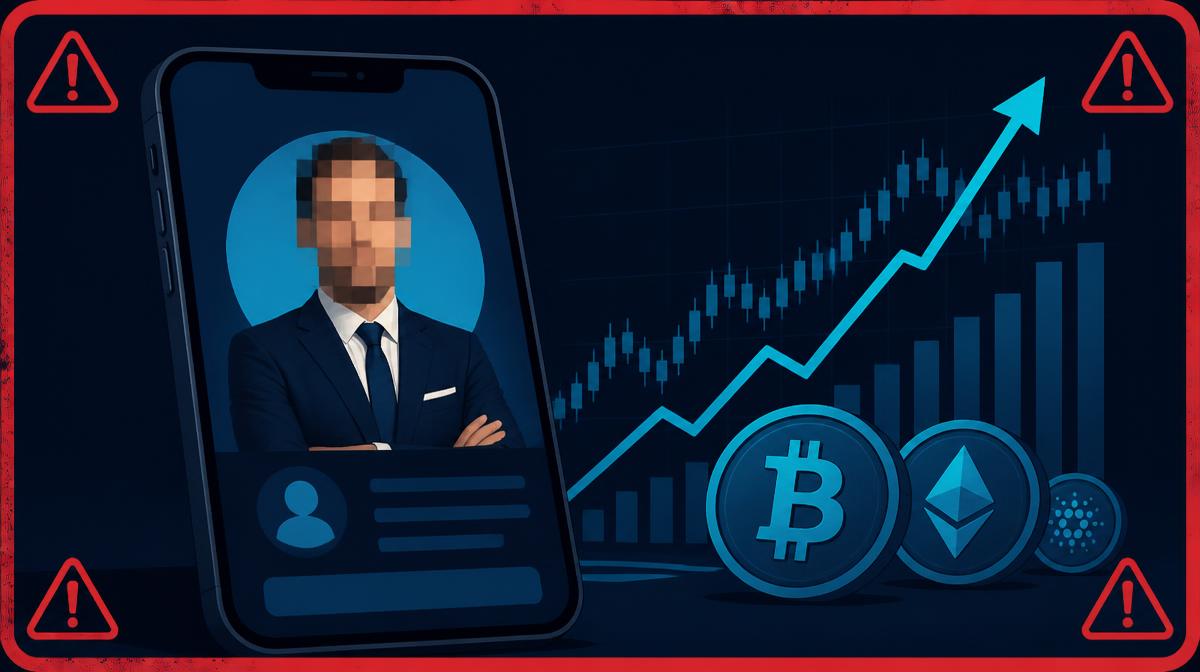
Agent photos and real property listings are combined into fake rentals that collect deposits for homes the scammer has never seen, often from people relocating from abroad.
Where the photos come from
Agency team pages, listing portals, LinkedIn and open-house marketing photography.
Personas built from them
- An agent renting a property remotely to an overseas tenant
- An owner who is 'abroad' and will post the keys
- A letting platform collecting a holding deposit
Where they show up
Red flags
- Rent noticeably below the local market
- No in-person viewing possible, for any reason
- Keys to be couriered after a deposit is wired
- The same photos appearing in other listings at different addresses
How to verify
- Never pay a deposit for a property you or a trusted person have not viewed
- Call the agency on the number from its own website and confirm the listing
- Reverse-search the property photos to see if they belong to another listing
- Search the agent's email and phone in our database
Real listings, fake agents
Rental fraud rarely invents a property. It copies a genuine listing — photos, floor plan, address — and replaces the contact details, using a stolen agent headshot to make the new contact look legitimate. Victims frequently recognise the property, which strengthens rather than weakens their confidence.
Who gets hit
Students and people relocating internationally are the most exposed, because a remote arrangement is genuinely necessary for them and a request to wire a deposit before arrival does not feel unusual.
The agent's problem
Agents discover it when prospective tenants turn up at a property with a signed lease and a receipt. Agencies spend real money on warnings and verification processes because their staff photos are being used to steal from their own market.
If these photos are yours
You are the second victim of this scam. The money goes to strangers, but the face, the name and the reputation are yours — and the angry messages from defrauded people land in your inbox, not the scammer's.
- Save everything: profile URLs, screenshots with visible usernames, message threads, and the dates you found them.
- Report the fake profile on the platform itself under impersonation, not spam. Impersonation reports are actioned faster and you can usually attach a photo ID.
- File a report with your national fraud body (IC3 in the US, Action Fraud in the UK, the Canadian Anti-Fraud Centre, or your local police cyber unit).
- Submit the scammer's contact details — the email, phone, wallet or profile handle, never your own — to our database so the next person who searches that identifier finds a warning instead of a fake romance.
- If someone contacts you believing they were talking to you, be kind and clear: send them to a search page so they can verify the details for themselves.
If you were talking to one of these profiles
Slow down before you send anything. Ask for a live video call on a platform the other person did not choose. Ask for a photo holding a handwritten note with today's date and an unusual word you pick. Run the phone number, email, username or wallet address through our database. A genuine person will pass all three in minutes; a stolen-photo persona will produce excuses — bad signal, hospital shift, offshore rig, army firewall, "you don't trust me".
Never send money, gift cards, crypto or copies of your own ID to someone you have not met in person, no matter how complete the story sounds.
Important
This profile describes a pattern of photo and identity theft. It does not accuse any person pictured in such photographs of wrongdoing — they are victims. We do not republish stolen photo albums. If a report on scamers.org names you incorrectly, use our I'm Innocent review process and we will investigate.
Related profiles
Deployed soldiers: the most stolen photos on the internet
Uniform photos turned into thousands of fake romance profiles
Generals and senior officers impersonated in fraud
High-rank portraits used to sell fake 'confidential' deals
Offshore oil rig workers: the 'no signal' alibi
Hard-hat photos that explain away every missed video call