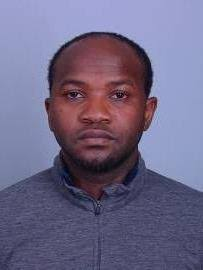
Adetomiwa Seun Akindele
Nearly six years for a $1.6M scheme against one elderly woman
Case facts
- Region
- Nigeria / United States
- Estimated loss
- ~$1.6 million
- Victims
- 1 elderly victim
- Filed
- Sep 14, 2026
Last reviewed .
Court record
- Court / jurisdiction
- U.S. District Court, District of Colorado (Judge Charlotte N. Sweeney)
- Case number
- 22-cr-00326-CNS
- Key dates
- Indicted — 10 counts wire fraud, 11 counts money laundering: announced 20 December 2022
- Sentenced: 16 September 2025 — 71 months
Court-convicted: Adetomiwa Seun Akindele pleaded guilty to wire fraud and money laundering and was sentenced to nearly six years in prison over a $1.6 million romance scam that targeted a single elderly American woman.
One victim. $1.6 million. Nearly six years in prison — a longer sentence than cases with eight times the victim count.
That inversion is the analytical heart of this file. U.S. sentencing treats deliberate targeting of an elderly victim as an aggravating factor, and it treats a guilty plea to money laundering as evidence that the defendant understood he was handling criminal proceeds, not merely receiving gifts from a partner.
The elder-fraud pattern
- Isolation first. The relationship is framed as private; family who ask questions are cast as jealous or controlling.
- Retirement accounts as the target. Pensions, home equity and annuities are drawn down in tranches rather than one visible transfer.
- Bank coaching. The victim is rehearsed on what to tell a teller who asks about the wire. This is the clearest single warning sign in the entire fraud.
- Duration over drama. Elder romance fraud commonly runs a year or more.
For families
- Ask directly, without judgement, whether anyone has asked for money or coached a bank answer.
- Watch for new secrecy about a phone, a sudden trust in a person never met, or unexplained withdrawals.
- Shame keeps victims silent far longer than the fraud itself. Lead with support.
- Report to IC3 (ic3.gov) and the bank on the same day.
Why read this here instead of the BBC or Fraud.org?
News coverage of this sentencing told the world it happened. This dossier keeps the case findable and actionable: the defendant's name is indexed in a searchable database alongside every other romance-fraud record, so a family member who searches today gets an answer in seconds, with source citations attached — not a paywalled article from the week of the sentencing.
Why does a sentenced case still matter now?
Elder romance fraud has the longest average lifespan of any fraud type — often years per victim — and convicted operators are routinely replaced by associates who inherit the same victim lists and scripts. The bank-coaching and isolation tactics documented here are verbatim in 2026 complaints. Families who know this pattern break it earliest.
Legal disclaimer
Based on publicly reported court outcomes from U.S. Department of Justice announcements, published in the public interest. Corrections may be requested through our I'm Innocent review process.
Primary evidence
Named here and believe it's a mistake?
Every OSS file is eligible for review. Submit an "I'm Innocent" appeal with supporting evidence and a moderator will re-examine this dossier within 5 business days.
Request a review